


Xsortex HUB
BMP280 Digital Pressure & Temperature Sensor Module I2C SPI for ESP32 Arduino
BMP280 Digital Pressure & Temperature Sensor Module I2C SPI for ESP32 Arduino
Couldn't load pickup availability
- Technical Support 24/7
- Same Day or 1-Day Shipping near Navi Mumbai
- Free shipping on Orders Above Rs 300/-
 Cash on Delivery available
- Original Product guarantee
- 7-Day Easy Return/Exchange

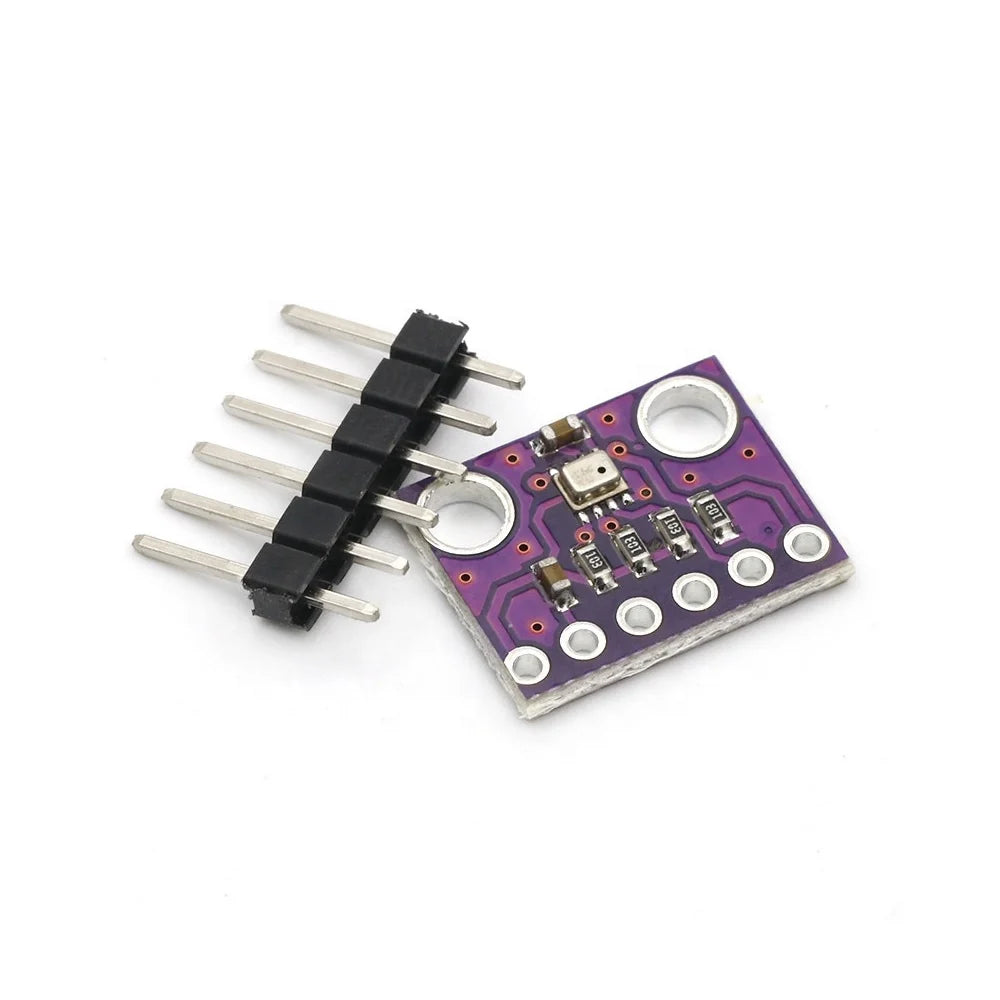

BMP280 Digital Pressure & Temperature Sensor Module – I2C/SPI for ESP32 & Arduino
The BMP280 is a high-precision digital barometric pressure and temperature sensor from Bosch Sensortec. This breakout module exposes both I2C and SPI interfaces, making it plug-and-play compatible with virtually every microcontroller platform. It is widely used in weather stations, altitude measurement, and indoor climate monitoring applications.
Key Specifications
- Sensor: Bosch BMP280
- Measurements: Barometric Pressure + Temperature
- Pressure Range: 300–1100 hPa (±1 hPa accuracy)
- Temperature Range: −40°C to +85°C (±0.5°C accuracy)
- Interface: I2C (address 0x76/0x77) and SPI
- Operating Voltage: 3.3V / 5V (onboard regulator)
- Current Consumption: 2.7µA at 1Hz sampling
Compatibility & Use Cases
The BMP280 module is fully compatible with Arduino, ESP32, ESP8266/NodeMCU, Raspberry Pi Pico, and other I2C/SPI-capable boards. Common applications include:
- DIY weather stations and barometric pressure loggers
- Altitude measurement for drones and UAVs
- Indoor climate monitoring IoT nodes
- HVAC control and smart home automation
- Wearable and portable environmental sensors
Use with the Adafruit BMP280 or Adafruit Unified Sensor library for quick integration with Arduino and ESP32 projects.
Frequently Asked Questions
What is the difference between the BMP280 and BME280?
The BMP280 measures barometric pressure and temperature. The BME280 adds a humidity sensor on top of those. If your weather station needs humidity readings, choose the BME280 instead.
Which I2C address does this module use?
Depending on the SDO pin connection it appears at 0x76 or 0x77. Run an I2C scanner sketch once, then set that address in your Adafruit BMP280 library begin() call.
Can it measure altitude?
Yes. Altitude is calculated from air pressure, and the BMP280 resolves pressure finely enough for about ±1 metre altitude resolution, which is why it is popular in drone and hiking projects.
Can I use it with a 5V Arduino UNO?
Yes. The onboard voltage regulator accepts 3.3V to 5V, so it connects directly to both 5V Arduino boards and 3.3V boards like ESP32 without extra circuitry.
Order now from Xsortex HUB and get fast delivery across India.
- Choosing a selection results in a full page refresh.
- Opens in a new window.